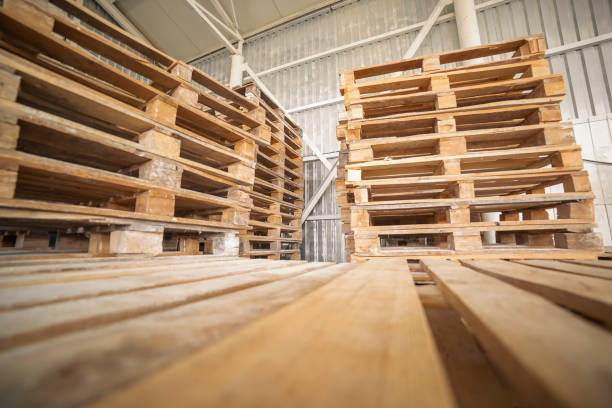
Wooden pallets play a pivotal role in the logistics and warehousing sectors, offering a robust and reusable solution for transporting goods. As essential as they are, improper storage and handling of wooden pallets can lead to safety hazards, increased costs, and decreased efficiency. Understanding the best practices for storing and handling these pallets ensures their longevity and safety in use, ultimately contributing to streamlined operations.
Choosing the Right Environment for Storage
The environment in which wooden pallets are stored can significantly affect their condition. Here are key factors to consider:
- Dry and Ventilated Area: Store wooden pallets in a dry, well-ventilated area to prevent moisture absorption, which can lead to mold growth and wood rot.
- Flat Surface: Ensure pallets are placed on a flat, stable surface to avoid warping and potential hazards from uneven stacking.
- Away from Direct Sunlight: Prolonged exposure to sunlight can dry out the wood, causing it to become brittle and more susceptible to cracking.
Best Practices for Stacking Wooden Pallets
Proper stacking not only maximizes space but also ensures safety in the storage area.
- Uniform Stacking: Stack pallets uniformly to maintain balance and prevent tipping. Each stack should not exceed a height that compromises stability.
- Weight Distribution: Distribute weight evenly across pallets to avoid pressure points that could damage the wood.
- Stacking Height: Adhere to recommended stacking heights to prevent toppling. Generally, keeping stacks below 15 feet is advisable.
Handling Wooden Pallets Safely
Handling techniques are crucial for maintaining the integrity and safety of wooden pallets during operations.
- Use of Proper Equipment: Utilize forklifts or pallet jacks designed for handling pallets. Ensure all equipment is well-maintained and operators are trained.
- Inspect Before Use: Regularly inspect pallets for signs of damage such as cracks, splinters, or loose nails that could pose risks during handling.
- Manual Handling: When manual handling is necessary, employ correct lifting techniques to prevent injuries and damage to the pallets.
Implementing a Maintenance Program
A proactive maintenance program helps in prolonging the life of wooden pallets and ensuring they remain in optimal condition.
- Regular Inspections: Schedule frequent inspections to detect and address wear and tear before it becomes a significant issue.
- Repair and Refurbishment: Implement a system for repairing and refurbishing damaged pallets to extend their usability.
- Replacement Strategy: Establish criteria for when pallets should be retired and replaced to maintain safety and efficiency.
Environmental Considerations
Properly managing wooden pallets not only enhances operational efficiency but also contributes to environmental sustainability.
- Recycling: Engage in recycling programs for pallets that are beyond repair, reducing waste and supporting sustainable practices.
- Eco-friendly Materials: Consider using pallets made from sustainably sourced wood to further environmental goals.
In conclusion, the effective storage and handling of wooden pallets are crucial for maintaining a safe, efficient logistics operation. By incorporating these best practices, businesses can ensure that their wooden pallets remain in top condition, supporting both operational and environmental objectives.
About the Author



