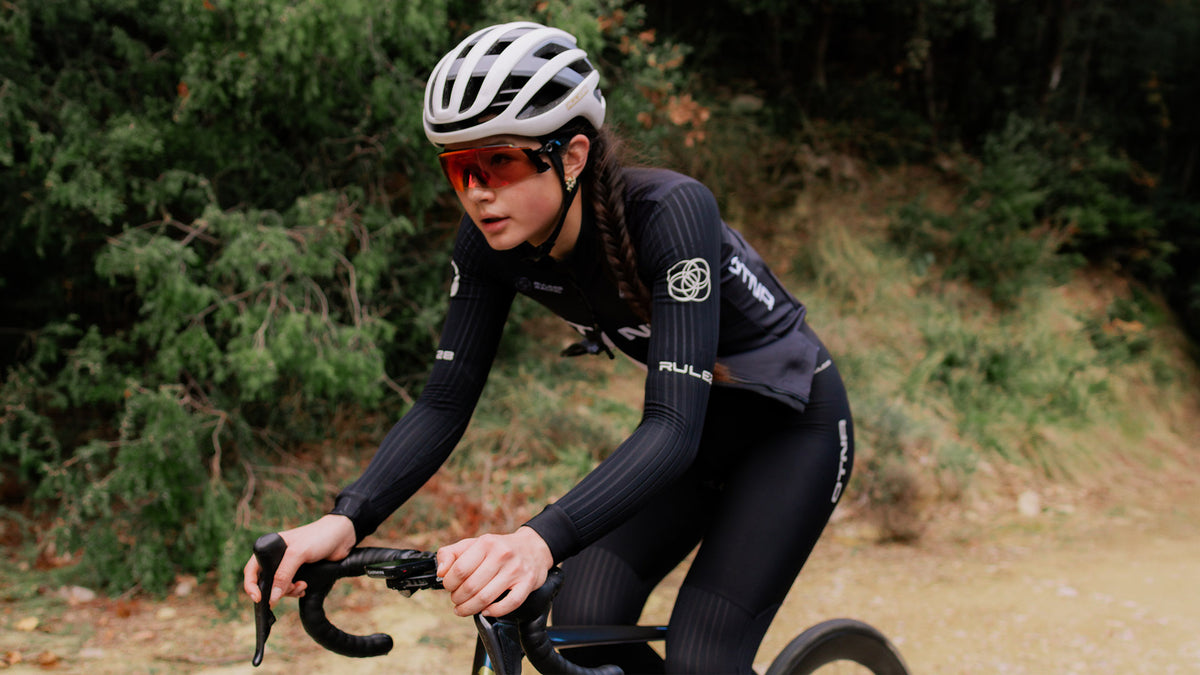
When the starting gun fires, every fraction of a second can determine whether a rider climbs the podium or watches from the sidelines. The concept of marginal gains, tiny, cumulative improvements, has reshaped elite cycling over the past decade. By focusing on the details that many overlook, athletes can extract measurable performance boosts without a complete overhaul of their training plan. This article breaks down the most practical, race-day adjustments that add up to a noticeable edge, from aerodynamics and nutrition to mental preparation and equipment choice.
Optimising Aerodynamics: Clothing and Position
Air resistance accounts for roughly 80″?% of the effort required to maintain speed on flat terrain. Small tweaks to the rider’s silhouette and the fabrics they wear can shave seconds per kilometre. Selecting the right aero cycling clothing or aero cycling kit is the first line of defence against drag.
Key clothing choices
- Tight-fit jerseys and shorts: Reducing fabric bunching eliminates turbulent airflow.
- Seam-less panels: Fewer seams mean fewer points where air can catch, enhancing the overall smoothness of the kit.
- Integrated shoe covers: They streamline the foot area, a spot often ignored by riders.
Position tweaks that cost nothing
- Lower the torso angle by a few degrees while preserving comfort; even a 2-degree change can cut drag by up to 3″?%.
- Keep elbows tucked and wrists aligned with the forearms to maintain a narrow frontal area.
- Practice the “aero tuck” on the bike before race day to ensure the muscles stay relaxed in that position.
Equipment Upgrades that Deliver Real Returns
Not every upgrade is worth the investment. The best cycling upgrades are those that provide a measurable performance lift relative to their cost and weight penalty. Prioritise items that directly affect speed, handling, or fatigue.
- Carbon wheelsets: Lighter, deeper rims reduce rotational mass and improve airflow.
- Integrated brake-shift levers: Streamline the cockpit and reduce drag from exposed cables.
- High-efficiency power meters: Accurate data helps fine-tune pacing strategy on the day.
Nutrition and Hydration Micro-Strategies
Fueling is often treated as a macro issue, how many calories per hour, yet the timing and composition of each sip and bite can influence performance by several percent.
Pre-race protocol
- Consume a carbohydrate-rich meal 3-4″?hours before the start (e.g., oatmeal with honey and banana).
- Top up glycogen stores with a small, easily digestible snack 30″?minutes pre-start, such as a sports gel containing electrolytes.
During the race
- Sip a 6-8″?% carbohydrate solution every 15-20″?minutes to maintain blood glucose.
- Include a pinch of salt or a dedicated electrolyte tablet to prevent hyponatremia, especially in hot conditions.
- Practice “bite-and-go” nutrition during training to avoid gastrointestinal distress on race day.
Mental Edge: Routine and Visualization
Physical preparation is only half the battle; mental sharpness can turn a good ride into a great one. Simple, repeatable rituals help lock in focus and reduce race-day anxiety.
- Pre-ride visualization: Spend 5″?minutes picturing the course, key climbs, and sprint finishes.
- Breathing drills: Controlled diaphragmatic breathing lowers heart rate and improves oxygen uptake.
- Chunking the race: Break the event into manageable segments (e.g., “first 20″?km,” “final climb”) to keep concentration high.
Bike Fit Fine-Tuning
A professional bike fit eliminates wasted energy and reduces injury risk, but even riders with a solid fit can benefit from a few on-the-day adjustments.
- Check saddle height: a 1-mm change can affect pedal efficiency.
- Re-tighten stem bolts to prevent micro-movement that creates drag.
- Ensure cleats are aligned so that the foot remains stable throughout the pedal stroke.
Clothing Integration with the Race Kit
When assembling the cycling race kit, consider how each piece works together. A cohesive set of aero cycling apparel not only looks professional but also maximises aerodynamic benefits.
- Match jersey and bib colours to avoid visual seams that can disrupt airflow.
- Choose a jacket with a low-profile zipper that can be sealed flush when riding in windy conditions.
- Integrate a lightweight, wind-proof vest for early-season races where temperature swings are common.
Tracking Gains: Data-Driven Evaluation
The final piece of the marginal gains puzzle is quantifying the impact of each change. Modern power meters, GPS units, and heart-rate monitors provide the data needed to confirm whether a tweak is worth keeping.
- Record a baseline power-to-weight ratio on a familiar course before implementing changes.
- After each adjustment, repeat the same effort and compare average speed, power output, and perceived exertion.
- Log subjective notes (e.g., comfort level, heat retention) to capture qualitative benefits that numbers may miss.
Conclusion: The Cumulative Power of Small Wins
The essence of cycling marginal gains lies in relentless attention to detail. By refining aerodynamics through performance cycling apparel, selecting targeted equipment upgrades, perfecting nutrition timing, and sharpening mental routines, riders can unlock performance improvements that compound throughout a race. Each micro-adjustment may seem modest in isolation, but together they form a decisive advantage that separates podium finishers from the rest of the pack. Embracing this systematic approach transforms race day from a gamble into a finely tuned execution of countless small victories.
About the Author