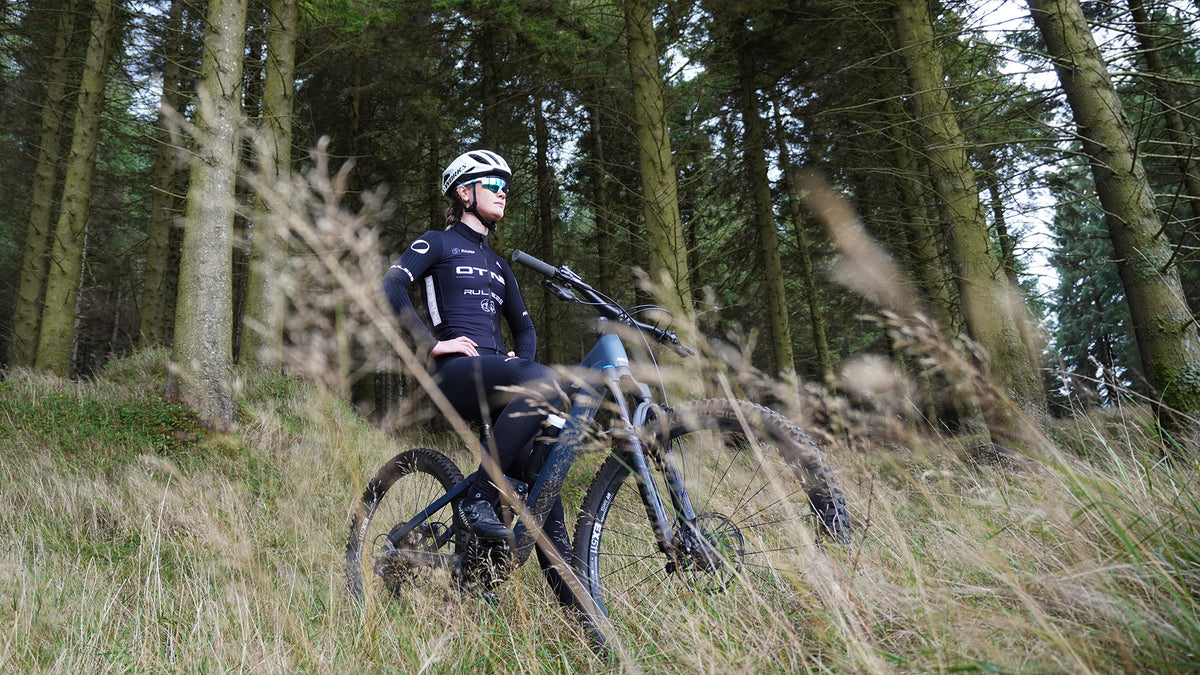
When the margins of victory are measured in seconds, every gram, every watt, and every aerodynamic advantage counts. Elite cyclists know that a well-engineered aero kit can turn a strong rider into a podium contender by reducing drag, improving power transfer, and enhancing confidence at high speeds. This guide breaks down the essential components of a high-performance aero cycling kit, explains how each piece contributes to overall efficiency, and offers practical tips for selecting gear that aligns with the demands of world-class competition.
Core Elements of an Aero Kit
1. Aero Helmet
- Streamlined shell design that minimizes frontal area.
- Integrated ventilation channels that balance cooling with drag reduction.
- Carbon fiber or advanced composite construction for lightweight strength.
Choosing a helmet that matches the rider’s head shape and preferred fit can shave up to 30″?watts of drag. For a deeper dive into selecting the right shell, Discover expert strategies here provides detailed fit guides and wind-tunnel data.
2. Time-Trial/TT Bike Frame
- Triangular tube profiles and hidden cable routing to smooth airflow.
- Integrated cockpit systems that eliminate external accessories.
- Stiffness-to-weight ratios optimized for power delivery.
Modern frames often incorporate carbon layup patterns that target specific vibration frequencies, improving rider comfort on long, flat courses. Learn about our tailored solutions for frame geometry adjustments that suit individual riding styles.
3. Aero Bars and Extensions
- Adjustable arm width and reach for optimal aerodynamic posture.
- Integrated brake levers to keep hand placement streamlined.
- Carbon-reinforced stems that resist flex under high torque.
Properly set aero bars can reduce the rider’s frontal area by up to 15″?%. For step-by-step setup instructions, Explore advanced guides and tips that cover measurements, saddle positioning, and ergonomics.
4. Aero Wheels
- Deep-section rims (typically 45-60″?mm) that slice through the air.
- Bladed or disc-style spokes to minimize turbulence.
- Tubeless or tubular setups that lower rolling resistance.
Wheel selection should consider course profile; deep rims excel on flat, windy routes, while shallower profiles may be preferable for hilly terrain. Find out more about this approach to match wheel depth with race conditions.
5. Aero Clothing
- Form-fitting skinsuits made from low-drag fabrics.
- Seam-less construction to eliminate turbulence.
- Integrated pockets for nutrition without breaking the aerodynamic envelope.
Even small gaps in clothing can increase drag by 2-3″?%. For fabric technology insights, Explore advanced guides and tips on textile engineering and fit.
Fine-Tuning for Maximum Performance
Position Optimization
Beyond equipment, rider position is the most influential factor in aero efficiency. A systematic approach includes:
- Measuring torso length, arm reach, and shoulder width.
- Using a bike fit specialist to align the saddle, handlebars, and cleats.
- Testing multiple positions in a wind tunnel or using CFD simulations.
Professional fit services often incorporate pressure mapping and motion capture to ensure power output is not sacrificed for speed. Discover expert strategies here for integrating fit data with equipment choices.
Component Integration
Seamless integration of brakes, cables, and power meters reduces drag spikes caused by protruding hardware. Look for:
- Internal cable routing within the frame and fork.
- Integrated brake calipers that sit flush with the wheel rim.
- Power meters housed inside the crank spider or bottom bracket.
When each component works as part of a unified system, the cumulative drag reduction can exceed 10″?%. For a checklist of integration options, Learn about our tailored solutions.
Maintenance and Longevity
Aero equipment often pushes materials to their limits, making regular maintenance essential for sustained performance.
- Wheel Truing: Check spoke tension weekly; a mis-aligned rim can increase drag dramatically.
- Helmet Integrity: Inspect for cracks or delamination after hard impacts.
- Fabric Care: Wash skinsuits in cold water and avoid fabric softeners to preserve low-drag properties.
- Component Checks: Verify that brake pads are aligned and that internal cable housings remain smooth.
Adhering to a disciplined maintenance schedule ensures that every component performs at its aerodynamic optimum throughout the season. Detailed care guides are available at Find out more about this approach.
Conclusion
Achieving elite race performance demands a holistic view of aerodynamics, where each piece of the kit, helmet, frame, bars, wheels, and clothing, works in concert with precise rider positioning and meticulous maintenance. By selecting high-quality components, integrating them thoughtfully, and maintaining them rigorously, cyclists can translate aerodynamic gains into measurable time savings on the road. For further technical resources, case studies, and personalized recommendations, continue exploring the expertise shared at Explore advanced guides and tips.
About the Author