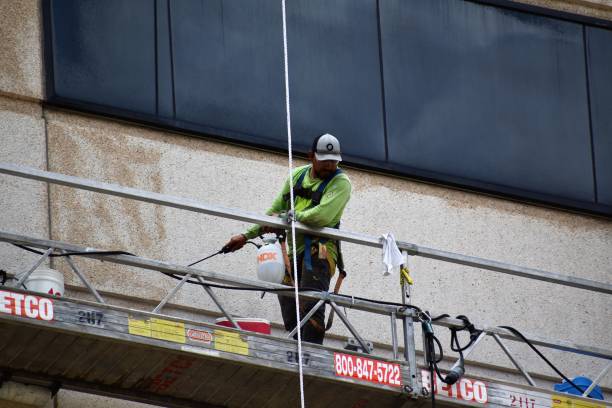
Patio spaces are the heart of many Houston homes, offering a place to relax, entertain, and enjoy the city’s vibrant weather. Over time, however, exposure to sun, rain, pollen, and foot traffic can leave surfaces stained, slippery, and prone to mold growth. A thorough cleaning not only restores visual appeal but also extends the lifespan of the patio material, whether concrete, pavers, or natural stone. This guide outlines the essential steps, tools, and best practices for achieving a pristine patio that stands up to Houston’s climate while maintaining safety and durability.
Why Professional Patio Cleaning Matters
While DIY methods can address minor grime, professional-grade cleaning delivers results that are both deeper and longer-lasting. The benefits include:
- Enhanced Safety: Removing algae, mildew, and oil residues reduces slip hazards.
- Improved Aesthetic Appeal: Bright, clean surfaces boost curb-side value and create a welcoming atmosphere.
- Material Preservation: Proper cleaning prevents deterioration caused by acidic or alkaline residues.
- Health Considerations: Eliminating mold spores and allergens contributes to a healthier outdoor environment.
Key Steps for Effective Patio Cleaning
1. Assessment and Preparation
Begin by inspecting the patio for cracks, loose pavers, or areas that may need sealing. Clear the space of furniture, planters, and debris to ensure unobstructed access. For heavily stained zones, marking them helps track progress.
2. Choosing the Right Cleaning Method
Houston’s humidity and occasional heavy rain demand a method that can handle both organic stains and mineral deposits. The most reliable approach combines high-pressure washing with environmentally safe detergents. For delicate stone, a low-pressure rinse paired with a pH-balanced cleaner is recommended.
3. Application of Cleaning Solution
Apply a biodegradable detergent that targets oil, grease, and biological growth. Allow the solution to dwell for 5-10 minutes; this softens contaminants without damaging the substrate. For stubborn stains, a gentle scrub with a soft-bristle brush can be employed.
4. Pressure Washing Technique
Use a pressure washer set between 2,500 and 3,000 PSI for concrete, and 1,500-2,000 PSI for pavers or natural stone. Keep the nozzle at a 12-inch distance and move in overlapping, sweeping motions to ensure even coverage. Avoid concentrating the stream on a single spot to prevent etching.
5. Rinsing and Drying
Thoroughly rinse the patio with clean water, ensuring all detergent residues are removed. A final low-pressure rinse helps eliminate any remaining film. Allow the surface to dry completely before resealing or placing furniture back.
Maintenance Strategies to Prolong Cleanliness
Regular upkeep reduces the frequency of intensive cleanings and preserves the patio’s appearance. Consider the following routine practices:
- Sweep or blow away debris weekly to prevent grit from grinding into the surface.
- Apply a breathable sealant every 12-18 months to repel stains and inhibit mold growth.
- Promptly address spills, especially oil or wine, using a mild cleaner to prevent staining.
- Schedule a light pressure wash after each rainy season to remove accumulated algae.
Environmental Considerations for Houston Residents
Houston’s water restrictions and environmental awareness make it essential to choose cleaning solutions that are both effective and eco-friendly. Look for products that are biodegradable, non-toxic, and free of phosphates. Additionally, using reclaimed water for rinsing can reduce overall water consumption.
When to Call a Specialist
Even with a solid DIY plan, certain scenarios warrant professional intervention:
- Extensive mold or mildew infestations that have penetrated deep into porous surfaces.
- Large areas covered with oil or grease stains that require industrial-strength degreasers.
- Structural concerns such as shifting pavers or cracked concrete that need repair before cleaning.
Professional technicians bring expertise, specialized equipment, and safety protocols that ensure thorough results without risking damage to the patio or surrounding landscaping.
Additional Resources
For those seeking deeper insight into patio care, a variety of online guides are available. Discover expert strategies here to learn about advanced pressure-washing techniques tailored to Houston’s climate. If you’re interested in customized cleaning plans, Learn about our tailored solutions that address specific surface types and staining challenges. For a broader perspective on maintenance best practices, Explore advanced guides and tips that cover everything from sealant selection to seasonal scheduling. Finally, to understand the science behind cleaning agents and equipment, Find out more about this approach and how it can be integrated into a long-term patio care strategy.
Conclusion
A well-maintained patio enhances both the functionality and visual appeal of a Houston home. By following a systematic cleaning process, employing the right tools, and incorporating regular maintenance, homeowners can enjoy a safe, beautiful outdoor space for years to come. Leveraging professional expertise when needed ensures that even the toughest stains and structural issues are addressed efficiently, preserving the patio’s integrity while aligning with environmental stewardship.
About the Author


