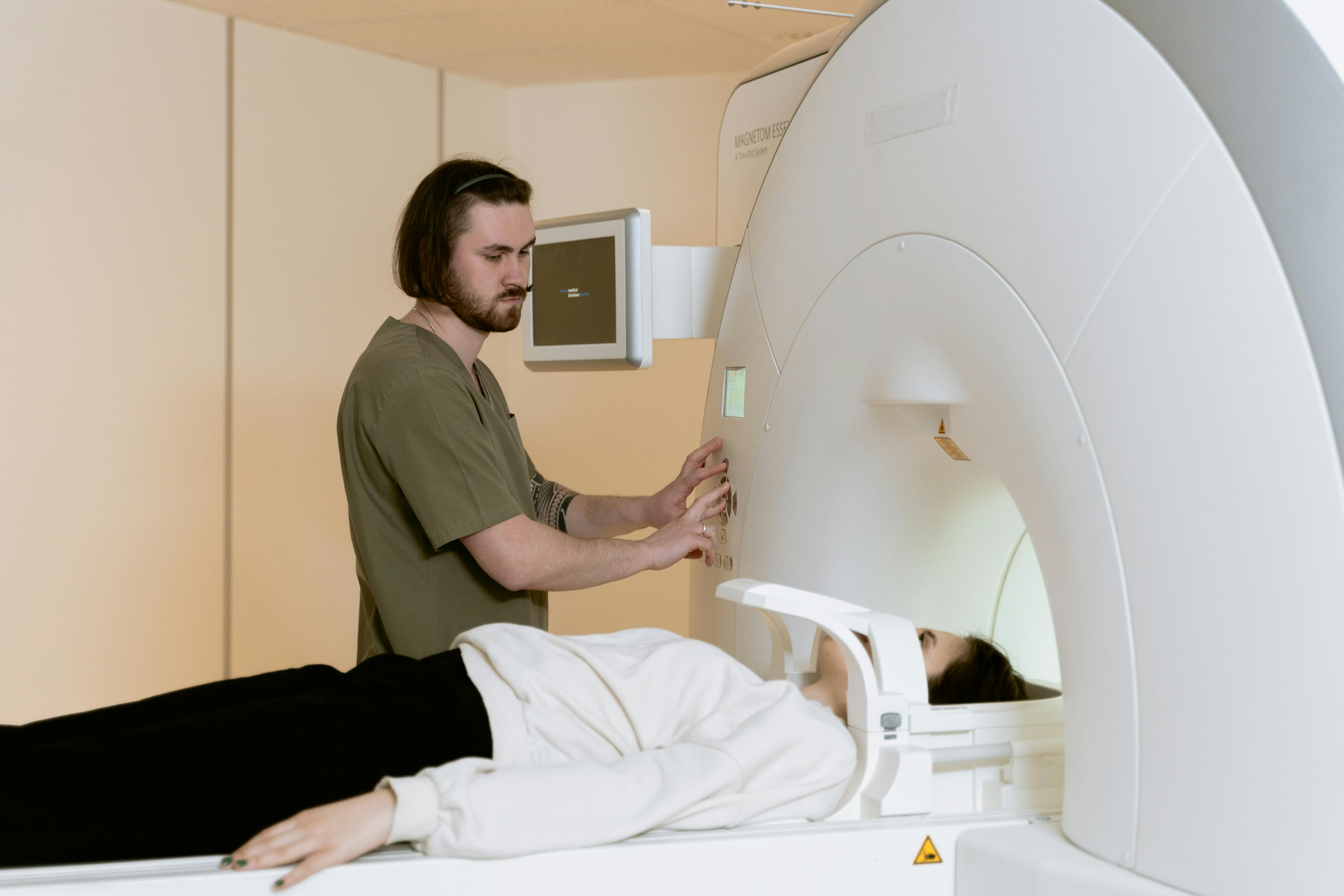
Nuclear medicine imaging has become a cornerstone in the field of advanced diagnostics, providing invaluable insights into the physiological processes of the body. This non-invasive diagnostic method uses small amounts of radioactive material to diagnose, evaluate, and treat a variety of diseases, including many types of cancers, heart disease, gastrointestinal, endocrine, and neurological disorders. The unique capability of nuclear medicine to provide detailed images of what is happening inside the body at a molecular level allows healthcare professionals to make more informed decisions about patient care, enhancing treatment effectiveness and improving outcomes.
The Science Behind Nuclear Medicine Imaging
Nuclear medicine imaging is primarily based on the principle of using radioisotopes that emit gamma rays detectable by special types of cameras. These cameras, coupled with computers, create detailed images of the organs and tissues within the body. This technology allows for the observation of both the structure and function of organs, offering a comprehensive view beyond that of conventional imaging techniques.
Key Technologies in Nuclear Medicine Imaging
- Positron Emission Tomography (PET): Utilizes radioactive substances to visualize and measure changes in metabolic processes, and other physiological activities.
- Single Photon Emission Computed Tomography (SPECT): Similar to PET, but uses different radioisotopes and is particularly useful in diagnosing and monitoring heart disease.
- Gamma Camera Imaging: Used in conjunction with radiotracers to provide detailed images of various body parts, and often used in bone scans and thyroid scans.
These technologies are integral in the early detection and management of diseases, offering insights that are crucial for developing targeted treatment plans. For more comprehensive details on the technologies, explore further insights here.
Applications of Nuclear Medicine Imaging
Nuclear medicine imaging plays a pivotal role in a variety of medical fields. Its applications are vast and provide unique insights that are not achievable with other imaging modalities.
Oncology
- Enables early detection of cancerous tissues and assessment of the extent of cancer spread.
- Assists in planning and assessing the effectiveness of therapies, such as chemotherapy or radiation therapy.
- Monitors for cancer recurrence post-treatment.
Nuclear medicine’s ability to visualize metabolic activity of tumors offers a powerful tool in cancer management. Learn more in this detailed guide on how nuclear medicine imaging supports oncology.
Cardiology
- Helps in evaluating coronary artery disease by assessing the flow of blood to the heart muscle.
- Assists in determining the function of the heart chambers and the efficiency of cardiac function.
For those dealing with heart conditions, nuclear medicine provides a non-invasive option to gain critical insights into heart health. Find additional information here about its role in cardiology.
Neurology
- Aids in diagnosing conditions such as Alzheimer’s disease, epilepsy, and Parkinson’s disease.
- Assesses brain function and helps in detecting abnormalities.
Nuclear medicine imaging allows for detailed exploration of neural pathways and brain activity, significantly contributing to the understanding and treatment of neurological disorders. Read more about this topic to understand its impact on neurology.
The Future of Nuclear Medicine Imaging
Nuclear medicine imaging continues to evolve, with ongoing research aimed at improving its precision and expanding its applications. Advances in technology and the development of new radiopharmaceuticals are paving the way for even more personalized and effective medical care. As this field progresses, it promises to further revolutionize diagnostic techniques, offering hope for earlier detection and better management of numerous health conditions.
The integration of artificial intelligence and machine learning is anticipated to enhance image interpretation, reduce scan times, and increase diagnostic accuracy. To stay updated on these advancements, explore further insights here.
About the Author