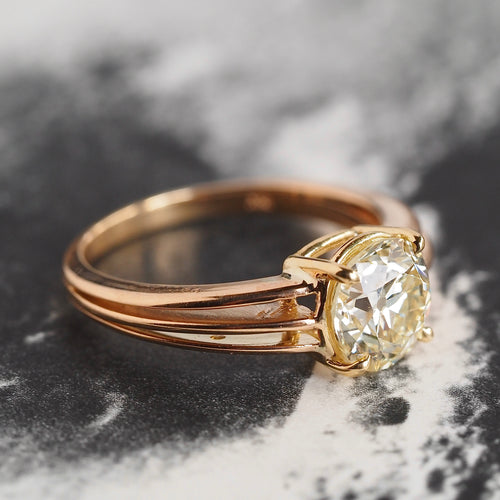
The allure of Victorian jewelry lies in its timeless charm and intricate craftsmanship that has captivated collectors and enthusiasts for generations. Originating from the Victorian era, which spanned the lengthy reign of Queen Victoria from 1837 to 1901, these pieces are treasured not only for their aesthetic appeal but also for the historical significance they carry. The era was marked by significant changes in arts and culture, and Victorian jewelry reflects these transformations vividly. This article delves into the enchanting world of Victorian jewelry, exploring its distinct characteristics and why it continues to be highly sought after today.
Historical Context of Victorian Jewelry
Victorian jewelry can be divided into three distinct periods, each reflecting the societal and personal influences of the time:
- Early Victorian (Romantic) Period (1837-1860): Characterized by nature-inspired designs, including flowers, leaves, and serpents. Jewelry from this period often features intricate engravings and the use of colored gemstones.
- Mid-Victorian (Grand) Period (1860-1885): Influenced by the mourning of Prince Albert, this phase saw the usage of darker materials such as jet, onyx, and deep-hued gemstones. Designs were more somber and included themes of grief and remembrance.
- Late Victorian (Aesthetic) Period (1885-1901): Marked by a return to lighter, brighter designs with an emphasis on elegance and refinement. This period saw the increased use of diamonds and feminine motifs.
For a comprehensive understanding of these periods, explore further insights here.
Distinctive Features of Victorian Jewelry
Materials and Techniques
Victorian jewelry is renowned for its exquisite materials and innovative techniques. Some noteworthy aspects include:
- Use of high-karat gold, often in yellow or rose shades.
- Introduction of electroplating and rolled gold to make jewelry more accessible.
- Incorporation of gemstones like garnets, amethysts, and diamonds.
- Techniques such as filigree, repouss??, and cannetille were popular for adding intricate details.
Learn more in this detailed guide about the materials and techniques used during this era.
Symbolism and Design
Victorian jewelry is rich in symbolism, often reflecting personal sentiments and cultural beliefs. Popular designs and symbols included:
- Nature motifs: Flowers, leaves, and animals were prevalent, symbolizing love and connection to the natural world.
- Sentimental jewelry: Lockets, brooches, and rings often contained hair or portraits, serving as mementos of loved ones.
- Religious and romantic symbols: Hearts, crosses, and bows were common, conveying messages of faith and affection.
Read more about this topic to understand the symbolism behind these designs.
The Enduring Appeal of Victorian Jewelry
The timeless charm of Victorian jewelry continues to captivate modern audiences for several reasons:
- Historical Significance: Each piece tells a story of the era”?s social, cultural, and political landscape.
- Craftsmanship: The meticulous attention to detail and artistry make these pieces true works of art.
- Versatility: Victorian jewelry can be seamlessly integrated into contemporary fashion, offering a unique blend of old and new.
For those interested in discovering more about the allure of Victorian jewelry, find additional information here.
About the Author