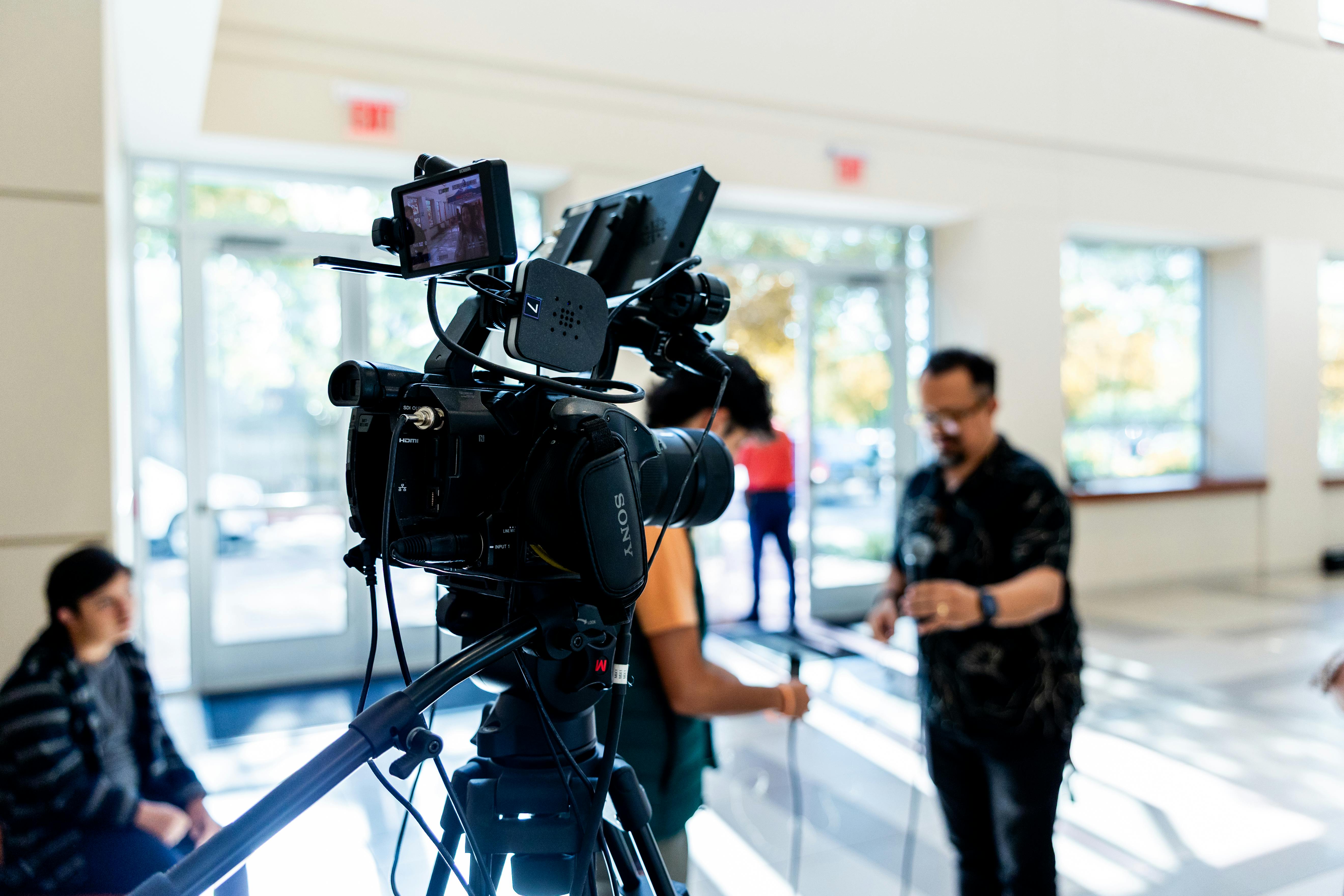
Studio rental services provide a flexible environment for creators, photographers, filmmakers, and audio engineers who need a controlled space to bring their projects to life. Whether the goal is a music video, a commercial shoot, a podcast episode, or a photo session, renting a studio eliminates the need for long-term property commitments while offering professional infrastructure. Understanding the options, costs, and best practices can help maximize the value of a rental and ensure a smooth production experience.
Understanding Studio Rental Services
Studio rentals typically include access to a physical space equipped with essential utilities such as power, lighting rigs, soundproofing, and climate control. The service model can vary:
- Hourly or daily rates for short-term projects.
- Package deals that bundle equipment, crew, or post-production services.
- Long-term leases for ongoing productions or recurring shoots.
For a deeper dive into the fundamentals of studio rentals, Read more about this topic.
Types of Studios Available
Photography Studios
Designed with adjustable backdrops, high-output lighting, and ample floor space, these studios cater to portrait, fashion, and product photography. Features often include:
- Continuous LED or strobe lighting systems.
- Modular backdrop walls.
- Built-in props and furniture.
Video Production Studios
Video studios focus on acoustics, camera rigs, and green screen capabilities. Common amenities are:
- Sound-treated walls and isolated booths.
- Overhead crane or jib mounts.
- Control rooms with monitoring equipment.
To explore the nuances between these spaces, Learn more in this detailed guide.
Key Factors When Choosing a Studio
Selecting the right studio hinges on several practical considerations:
- Location: Proximity to talent, crew, and transportation routes can reduce logistical costs.
- Size and Layout: Ensure the floor area accommodates set design, equipment, and movement.
- Technical Infrastructure: Verify the availability of power capacity, internet bandwidth, and lighting grids.
- Acoustic Properties: For audio-centric projects, assess sound isolation and reverberation control.
- Accessibility: Check for loading docks, wheelchair access, and parking facilities.
Guidelines on evaluating these aspects are outlined in a comprehensive resource; Explore further insights here.
Pricing and Contracts
Understanding the financial structure helps avoid unexpected expenses. Typical pricing components include:
- Base studio fee (hourly or daily).
- Equipment rentals (lights, cameras, audio gear).
- Additional services (crew, set construction, post-production suites).
- Utilities and overtime charges.
Many providers offer tiered packages that align with project scope. It is advisable to request a detailed quote and review the contract for clauses related to:
- Cancellation policies.
- Liability for damage.
- Insurance requirements.
For an example of how transparent pricing can be presented, Find additional information here.
Preparing for Your Rental Session
Effective preparation minimizes downtime and maximizes creative output. Follow these steps before the scheduled rental:
- Storyboard or shot list: Outline each scene to determine equipment and space needs.
- Equipment checklist: Confirm which items are provided by the studio and which must be brought in.
- Technical run-through: Test lighting setups, audio levels, and network connections ahead of time.
- Team coordination: Share floor plans and schedules with crew members to streamline movement.
- Safety brief: Review emergency exits, fire extinguishers, and any on-site safety protocols.
Frequently Asked Questions
Can I bring my own equipment?
Most studios allow external gear, provided it complies with power limits and safety guidelines. Always verify compatibility with the studio’s infrastructure.
Is there a minimum rental period?
Rental minimums vary; some studios require a half-day booking, while others accommodate hourly slots. Check the specific terms of the venue you are interested in.
What support staff is typically available?
Standard offerings may include a studio manager, lighting technician, and audio engineer. Additional personnel can often be hired at an extra cost.
How are changes to the schedule handled?
Most contracts include a clause for rescheduling, often with a notice period and potential fee. Early communication is key to avoiding penalties.
By understanding the core elements of studio rental services, space types, selection criteria, cost structures, and preparation tactics, creators can make informed decisions that align with both artistic goals and budgetary constraints. For a holistic overview of best practices and industry standards, Read more about this topic.
About the Author