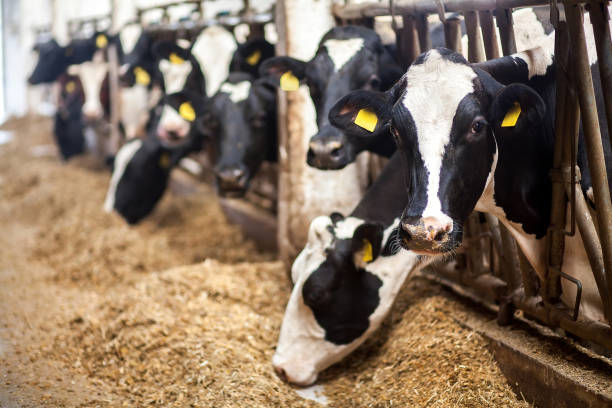
Sustainable lamb production is no longer measured solely by yield or profit margins; it now incorporates the well-being of the animals themselves. Good animal welfare practices contribute to healthier flocks, lower environmental footprints, and greater market acceptance. By aligning animal welfare with ecological and economic goals, producers can create a resilient system that meets the expectations of consumers, regulators, and the planet.
Why Animal Welfare Matters for Sustainability
Animal welfare directly influences the efficiency of biological processes that underpin lamb production. Stressed or unhealthy animals exhibit reduced feed conversion, higher disease incidence, and increased mortality, all of which inflate resource use and greenhouse-gas emissions. Conversely, well-cared-for lambs grow more predictably, require fewer veterinary interventions, and produce higher-quality meat with a smaller ecological imprint.
For a deeper understanding of how welfare standards intersect with sustainability goals, Read more about this topic.
Key Elements of Welfare-Centred Lamb Farming
Housing and Space
- Provide adequate indoor space to allow natural movement and resting behaviours.
- Ensure ventilation that maintains comfortable temperature and air quality.
- Design pens that minimise injury risk from sharp edges or overcrowding.
Nutrition and Water
- Offer a balanced diet that meets the specific needs of different growth stages.
- Guarantee constant access to clean, fresh water.
- Incorporate forages that encourage chewing and rumination, supporting digestive health.
Health Management
- Implement proactive health monitoring and early disease detection protocols.
- Use vaccination and parasite control programs that respect animal comfort.
- Adopt low-stress handling techniques during tagging, weighing, and transport.
Behavioural Enrichment
- Provide bedding and straw for nesting and comfort.
- Allow access to outdoor paddocks where lambs can graze, explore, and exhibit social behaviours.
- Introduce environmental stimuli (e.g., varied terrain) to reduce boredom.
Environmental Benefits of High Welfare Standards
When lambs experience low stress and optimal health, their metabolic efficiency improves. This translates into:
- Reduced feed requirements per kilogram of meat, lowering the demand for cultivated feed crops.
- Decreased methane emissions per animal due to more efficient digestion.
- Fewer disease outbreaks, which means less reliance on antibiotics and other pharmaceuticals that can contaminate soil and water.
The European Union’s research portal offers a comprehensive overview of these linkages. Learn more in this detailed guide.
Consumer Expectations and Market Access
Modern consumers associate animal welfare with ethical consumption. Certification schemes that verify humane treatment often command price premiums and open access to niche markets. Transparent welfare practices also reduce the risk of negative publicity and regulatory penalties.
For practical steps on integrating welfare certification into production, Explore further insights here.
Implementing a Welfare-Focused Management Plan
A systematic approach ensures that welfare improvements are measurable and sustainable. The following checklist can serve as a starting point for producers:
- Assessment: Conduct a baseline welfare audit using recognized welfare indicators (e.g., body condition score, lameness prevalence).
- Goal Setting: Define clear, achievable targets for each indicator, aligned with national guidelines.
- Training: Educate farm staff on low-stress handling, proper nutrition, and early disease detection.
- Monitoring: Use regular records and digital tools to track progress against targets.
- Review: Perform annual reviews, adjust practices, and communicate outcomes to stakeholders.
Additional resources for building such a plan are available at Find additional information here.
Conclusion
Integrating animal welfare into lamb production is not an optional add-on; it is a cornerstone of true sustainability. Healthier, less-stressed lambs convert feed more efficiently, emit fewer greenhouse gases, and produce higher-quality meat that meets consumer expectations. By adopting structured welfare practices, monitoring outcomes, and leveraging the wealth of guidance found on dedicated platforms, producers can achieve a resilient, environmentally sound, and economically viable lamb sector.
About the Author